
Pinjore Gardens, Chandigarh Pinjore Gardens Photos and Timings
It was built on the springs of Panchpura, known as the town of the Pandavas. I was a teenager then and was taken to visit the sprawling Pinjore Gardens in Panchkula district of Haryana. Organized after a collaboration with the Horticulture Department, the festival seeks to commemorate the efforts of the above department in the lives of the citizens residing in the nearby areas.
Pinjore Gardens, Chandigarh Overview
The terraces are connected by flights of steps and waterfalls, creating a harmonious and soothing effect. It is also a venue for cultural events and festivals, such as the Baisakhi festival in April and the Mango festival in June. He designed the garden in the typical Mughal style, with geometric patterns, fountains, water channels, and pavilions. The fourth one is called Jal Mahal (the palace of water). The highest terrace, called Shish Mahal, is built in the Mughal-Rajasthani style of architecture.

Pinjore Garden Travel Guide: Timings, Ticket Price, Distance & Attractions
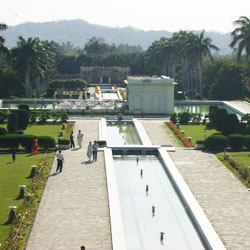
Situated on the foothills of Shivalik vary these gardens are the splendidly traveled picnic Yadavindra Gardens spots in the shut locality of the lovely town – of Chandigarh. Spanning over 100 acres, these beautifully manicured gardens are renowned for their Mughal-style architecture, intricate terraced layouts, and vibrant floral displays. During October when the Pinjore Heritage fest is held every year, is without any doubt a great if not the best time to visit the garden.
- Corbusier could also have read Constance Villiers-Stuart’s account of the Pinjore garden (in The Gardens of the Great Mughals) – as Edwin Lutyens did when working on the design of New Delhi.
- The gardens were originally laid out in the 17th century by the then Mughal governor of Punjab, Nawab Fidai Khan.
- The central water channel runs through the length of the garden, with fountains placed at regular intervals, creating a mesmerizing display.
- The nursery at the garden has a plethora of flowering plants.
- Early mornings or late afternoons are perfect for avoiding crowds and enjoying the gardens peacefully.
- This festival celebrates the rich cultural heritage of Pinjore and showcases traditional music, dance, crafts, and cuisine.
- Situated in the foothills of the Shivalik range, the mesmerising Morni Hills are approximately 45 km from Chandigarh and 260 km from New Delhi.
Soon, a rumour was spread that the air and water of Pinjore were causing goitre. However, Fidai Khan’s summer retreat alarmed the neighbouring hill rajas “for they dreaded the coming of the Mughal Court, and feared still more to lose the use of the precious water which irrigated the surrounding country,” says Villiers-Stuart. Fidai Khan was no exception to this lure of the hills, and with his artistic sensibility he visualised the potential of this location with its springs. For those who have lived in the hot and dusty plains of India, the hills are always attractive. After many centuries, Muzaffar Hussain, popularly known as Fidai Khan Koka, the foster brother of Aurangzeb and the man who built the Badshahi Mosque in Lahore, was appointed the governor of Punjab which included this salubrious area. And according to legend, the closing scene of the Mahabharat was against the backdrop of these wooded hills.
Other Places to Visit in & around Chandigarh
- It was built in the foothills of Himalayas as one of the Mughal gardens summer retreat for the Aurangzeb (r. 1658–1707), who then had his capital at Lahore, by his foster brother and architect Muzaffar Hussain.
- Near by water and adventure park but currently closed due to winter.
- None of our visitors shared their reviews on Yadavindra Gardens yet.
- The temple is created in Mughal style arranged out on seven terraces.
- Since the time of Shahjahan, mughals reserved the pavilions with Balustered columns supporting the cusped arches only for the use of emperor and his immediate family, hence, it was likely built for Aurangzeb’s personal use as summer retreat.
The gardens were originally laid out in the 17th century by the then Mughal governor of Punjab, Nawab Fidai Khan. Situated in the city of Pinjore, in the district of Panchkula, these 17th-century gardens amalgamate the best of history, architecture, and nature. It lies dotted with palaces, lawns, a zoo, and even a Japanese garden.
The garden remains open for all days of the week from 7 am to 10 pm. The place is popular not just for the garden but also for the annual Mango Mela. Designed with the amalgamation of Persian, Turkish, and Indian architecture, the garden is spread over 100 acres. The garden is situated in the Pinjore city of Panchkula, in the territory of Haryana.
